Loten Namling’s Modern Lama Mani
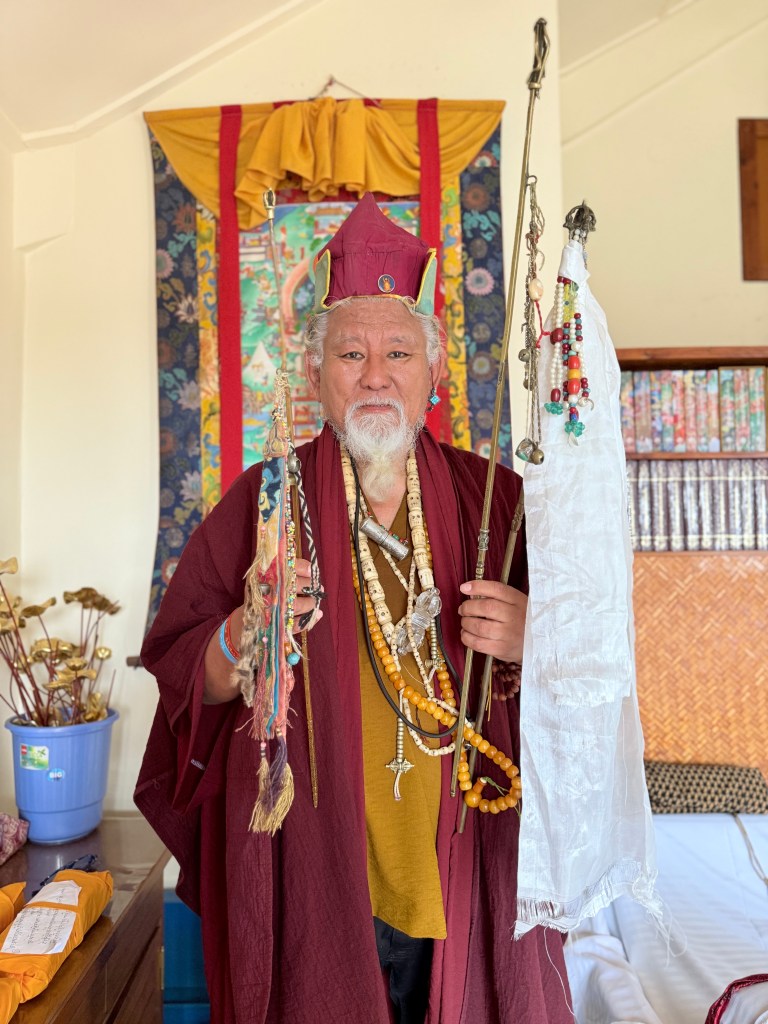
The Lama Mani tradition is a distinctive Tibetan practice in which itinerant storytellers combined oral performance, painted narrative scrolls, and ritual implements to communicate Buddhist teachings to lay audiences.
Through visual storytelling and song, Lama Mani performers translated monastic teachings into moral guidance and lived understanding for everyday village life.
I will continue this Tradition through modern means, bringing these old spiritual stories to the younger generation. To do so, I will visit Tibetan Schools around the world, inspiring our children to be good, have faith in Buddha Dharma, and express it through Tibetan Thanka paintings, music, and storytelling.
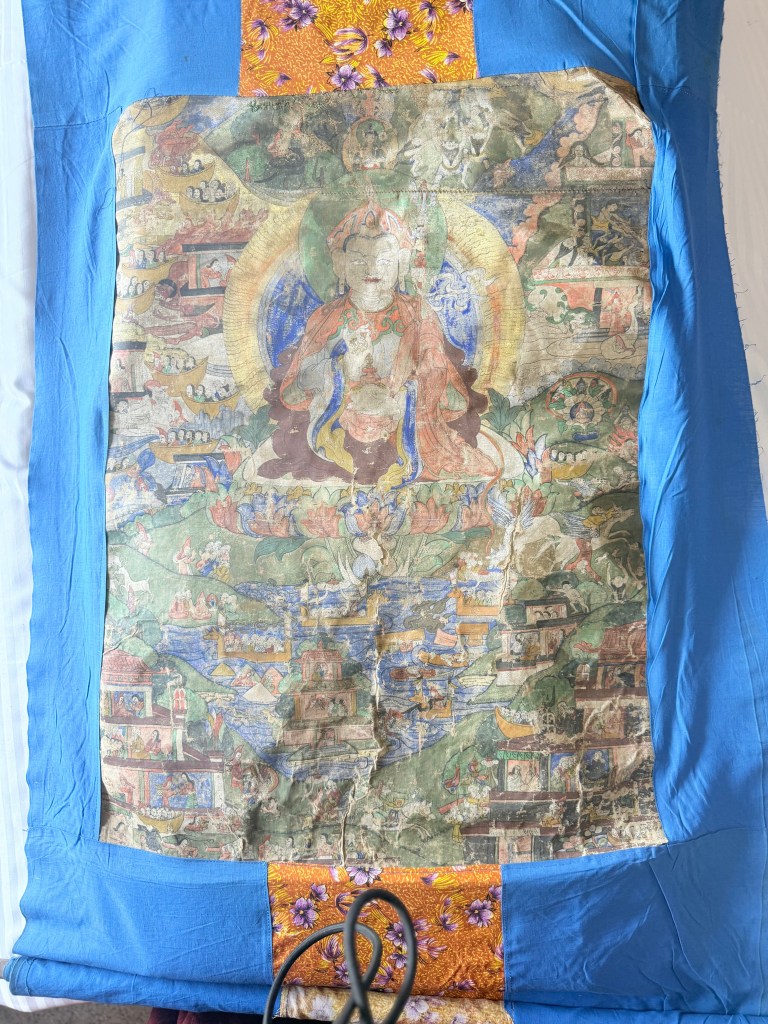
Story of Nangsa Wobum, a female Tibetan spiritual practitioner.
A classic Tibetan religious narrative set in 12th-century Central Tibet, traditionally performed through opera and painted scrolls.
Nangsa is born as an extraordinary girl with spiritual qualities, believed to be an emanation of Tara, destined for a religious life. Despite her wish to follow the Dharma, she is forced into marriage with the son of a powerful lord, reflecting tensions between worldly authority and spiritual aspiration. Nangsa endures suffering and abuse, responding with compassion rather than anger. After her death and resurrection, she gains spiritual insight through her encounter with the Lord of Death, who sends her back to practice the Dharma.
Rejecting wealth and family attachment, Nangsa ultimately chooses renunciation, becoming a powerful symbol of impermanence and female spiritual agency. The story functions as a moral teaching, illustrating Buddhist principles such as karma, compassion, non-attachment, and the preciousness of human life.
 Loten Namling